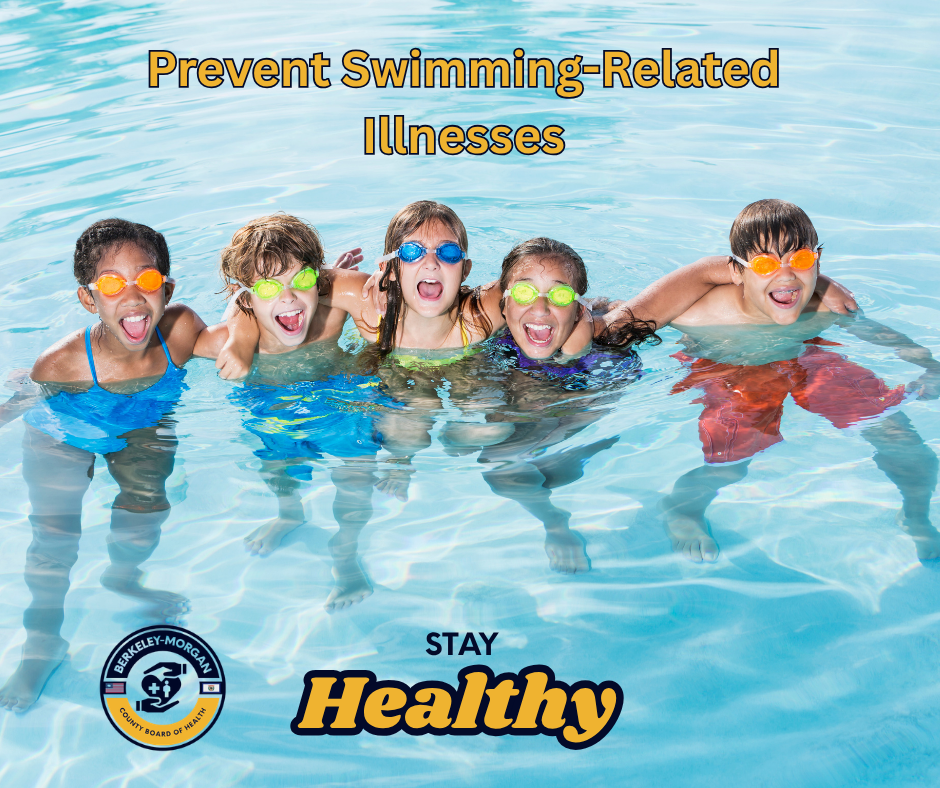
Preventing Swimming-related Illnesses
- Health Department
- Jun 23
- 1 min read
Per CDC:
Key points
You can get sick from germs in water you swim or play in (like pools and lakes).
Children, pregnant women, and people with weakened immune systems are most at risk.
Stay out of water if you have diarrhea, don't swallow the water, and take other steps to prevent swimming-related illnesses.
Swimming-related illnesses
The most common swimming-related illnesses are:
Diarrhea is the most common cause of swimming-related outbreaks.
Exposure
You can get swimming-related illnesses if you:
Swallow water with germs
Have contact with (touch) water with germs
Breathe in mist from water with germs
Have contact with chemicals that are in the water
Breathe in chemicals that evaporate from the water and turn into gas in the air
If you have diarrhea in the water, you can spread diarrhea-causing germs to others. If you swallow even small amounts of water with diarrhea-causing germs in it, you can get sick.
Chlorine doesn't kill germs instantly
Chemicals (chlorine or bromine) inactivate or kill most germs in properly treated water within minutes. However, some germs survive longer. Cryptosporidium, a germ that can cause weeks of watery diarrhea, is able to survive for more than 7 days in properly chlorinated water.
To learn more visit: Preventing Swimming-related Illnesses | Healthy Swimming | CDC